
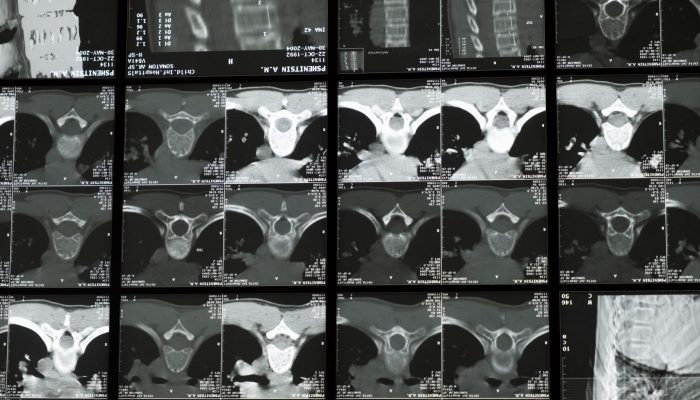







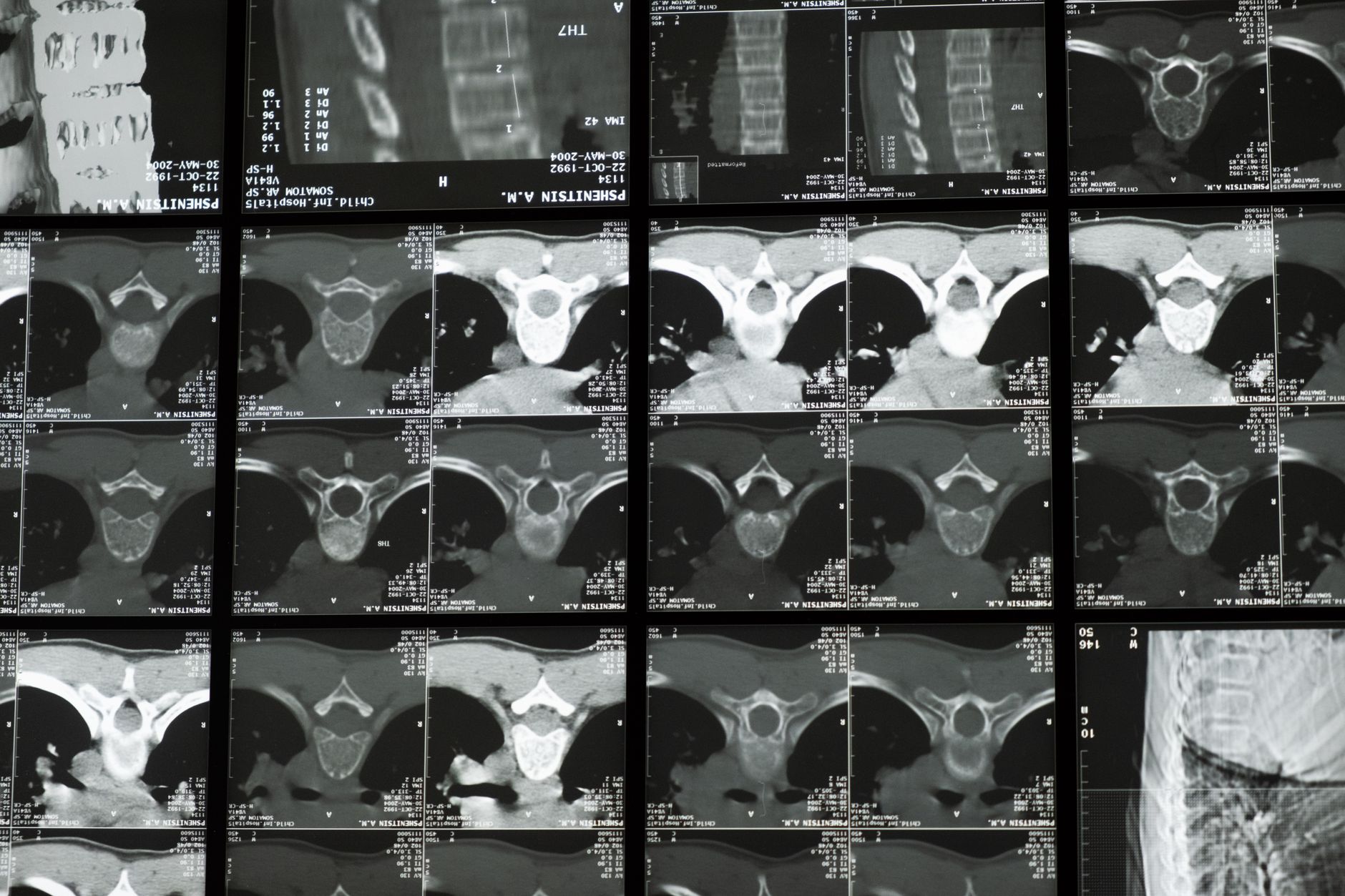
Neutron bone imaging is revolutionizing how we understand dinosaurs, bringing T. rex to life in unprecedented detail. This innovative technique allows researchers to explore the fossilized remains with remarkable clarity.
What is Neutron Bone Imaging?
Neutron bone imaging is an advanced technique that utilizes neutrons to analyze the internal structure of bones without damaging them. This innovative method has gained attention in various fields, including paleontology, where it plays a crucial role in studying ancient fossils. By employing neutron beams, researchers can obtain detailed images of bone mineral density and composition, offering insights into the health and development of skeletal structures.
One of the most exciting applications of neutron bone imaging is its ability to reveal the hidden details of dinosaur fossils, such as those of the Tyrannosaurus rex. This technology allows scientists to visualize the intricate features of bones, which can provide information about the T. rex’s biology and lifestyle.
In summary, neutron bone imaging is not only a powerful tool for modern medicine but also a gateway to understanding the past. Its non-invasive nature ensures that valuable specimens remain intact while unlocking the secrets they hold.
How Neutron Imaging Works
Neutron bone imaging is a revolutionary technique that utilizes neutrons to penetrate and analyze the structure of bones, providing insights that traditional imaging methods cannot achieve. This non-invasive approach is particularly effective for studying fossils, as it reveals detailed information about the internal composition of bones without causing damage.
The process begins with a sample being placed in a neutron beam, where neutrons interact with the atomic nuclei within the bone. The resulting data is then captured and analyzed to create a comprehensive image of the bone’s internal features. This is crucial for paleontologists, as it allows them to identify characteristics unique to specific species, including the famous T. rex.
One of the key advantages of neutron bone imaging is its ability to differentiate between various elements within the bone, such as minerals and organic materials. This capability enhances our understanding of how these ancient creatures lived and evolved, effectively bringing them back to life through precise scientific analysis.
Implications for Paleontology
The advent of neutron bone imaging has profound implications for the field of paleontology, transforming how researchers study ancient fossils. This innovative technology allows scientists to visualize the internal structures of bones without causing damage, unveiling details that were previously inaccessible. By utilizing neutron imaging, paleontologists can gain insights into the growth patterns, health conditions, and even the behavior of extinct species like the T. rex.
One significant advantage of this method is its ability to differentiate between various materials within a fossil, such as minerals and organic compounds. This distinction aids in reconstructing the life history of these magnificent creatures. Furthermore, neutron imaging can enhance our understanding of the biomechanics of dinosaurs, providing clues about their movement and lifestyle.
As researchers continue to utilize neutron bone imaging, the potential for discovering new information about the prehistoric world remains immense, paving the way for exciting advancements in both science and education.
Future of Dinosaur Research
The future of dinosaur research is being transformed through innovative techniques like neutron bone imaging. This advanced method is not only enhancing our understanding of the biology of these ancient creatures but also opening new avenues for exploration and discovery.
As scientists continue to utilize neutron bone imaging, several key areas are expected to see significant advancements:
- Enhanced Specimen Analysis: Researchers can analyze fossilized remains with greater precision, revealing details about growth patterns and health.
- New Insights into Behavior: Understanding how dinosaurs lived, moved, and interacted with their environment can lead to groundbreaking theories about their behavior.
- Preservation of Fossils: Non-invasive imaging techniques ensure that valuable specimens are preserved while still allowing in-depth analysis.
- Collaboration Across Disciplines: The integration of neutron imaging with other scientific fields, such as materials science, can lead to innovative research methodologies.
Ultimately, the evolution of neutron bone imaging promises to bring us closer to unraveling the mysteries of dinosaurs like the T. rex.
Photo by cottonbro studio on Pexels