





Introduction
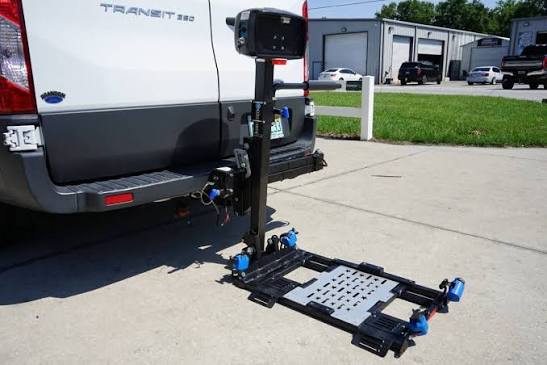
A wheelchair lift can make a home, business, or public construction considerably more accessible by providing a way to move from two points at various levels. Regular use can gradually cause components to wear or require adjustment.
Routine maintenance of home wheelchair lifts helps ensure that the lift performs smoothly and that main safety features continue to function correctly. It can also reduce the prospect of surprising breakdowns.
Wheelchair Lift Servicing Schedule
Manufacturers usually specify recommended servicing periods based on the indicated equipment. The frequency may also be determined by means of what heavily the lift is used. A lift used for various periods a day can demand closer attention than one used periodically in a private residence.
Professional inspections should follow the manufacturer’s recommendations and any appropriate local safety or administrative requirements.
Routine Wheelchair Lift Maintenance
A professional help visit can involve various checks and adaptations. The exact procedure changes according to the lift design.
1. Mechanical Inspection
Technicians can examine moving parts for signs of wear, damage, looseness, or different movement. Depending on the model, this may include checking hinges, rollers, chains, drive parts, manifests, and various machine-like parts.
If any component of wheelchair lifts shows excessive wear, the technician can decide whether adaptation, lubrication, repair, or substitution is appropriate.
2. Safety Feature Testing
Safety features are essential cause the lift moves people between different levels. Maintenance can contain experiment crisis stop controls, safety gates, interlocks, sensors, alarms, and supplementary protective devices fitted to the equipment. These checks should be performed before the lift is restored to regular duty.
3. Electrical Components Check
Battery-powered systems may demand supplementary checks to guarantee reliable operation. Electrical work should always be performed by appropriately qualified specialists.
4. Platform and Access Area Inspection
The floor must remain resistant and allow movement. Technicians can check the platform, entry points, woodwork, barriers, and related parts. They may also analyze the encircling area for obstructions or changes that may affect safe access.
What Can Homeowners Check Between Professional Services?
Professional maintenance of wheelchair lifts for homes should not be replaced by DIY inspections, but consumers can be alert to changes in how the lift functions. Watch for different noises, uncontrolled drive, unexpected stops, trouble opening or closing the exit, warning lights, or changes in operating speed.
Results of Ignoring Maintenance
A used component may yet fail, while an electrical or safety issue can affect the lift’s movement. Neglect can also bring about surprising downtime and conceivably higher repair costs.
For commercial properties, an unavailable wheelchair lift can generate meaningful accessibility issues for companies, consumers, and employees. Regular maintenance is therefore a fundamental part of accountable lift property.
Cost of Wheelchair Lift Maintenance
Routine servicing after wheelchair lift installation is more important than emergency repairs, but substitute parts or major repairs can increase costs. When buying a wheelchair lift, ask the installer about recommended perpetuation schedules, service plans, substitute parts, and expected ongoing expenses. Understanding these costs earlier can create complete budgeting smooth.
Conclusion
A wheelchair lift does not necessarily demand constant perpetuation, but it does need formal professional servicing to remain reliable. For homeowners and ability managers, regular wheelchair lift maintenance is not completely about protecting the provisions. It is about maintaining reliable accessibility for the people who rely on it regularly.