






Health Hazards Associated with Asbestos Exposure
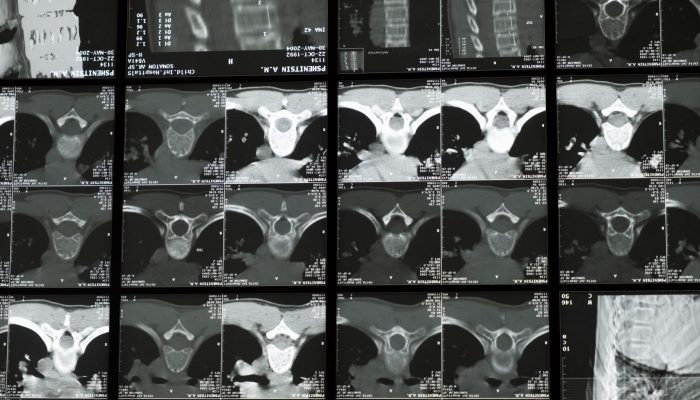
When disturbed, asbestos fibers can become airborne and pose serious health risks. Inhalation of these fibers is directly linked to conditions like asbestosis, lung cancer, and mesothelioma. These diseases often develop over decades, making early detection difficult. Even short-term exposure during emergency repairs can have long-term consequences. Workers and occupants should be aware of the dangers and take every precaution to avoid exposure.
Legal Implications of Improper Asbestos Handling
Failing to manage asbestos correctly during emergency repairs can lead to severe legal consequences. Federal regulations, such as those enforced by the EPA, require specific handling and disposal procedures. Non-compliance can result in hefty fines, lawsuits, and even criminal charges. Ignorance of the law is not an excuse, making it essential to understand and follow all applicable guidelines.
Common Scenarios Where Asbestos is Found
Asbestos is often discovered unexpectedly during emergencies like:
- Water damage repairs in older homes.
- Fire damage restoration involving walls or ceilings.
- Roofing repairs on buildings constructed before the 1980s.
In these scenarios, materials such as insulation, floor tiles, and roofing shingles may contain asbestos. Identifying these materials early can prevent health risks and legal issues.
Identifying Asbestos in Building Materials
Visual Indicators of Asbestos-Containing Materials
Spotting asbestos in building materials isn’t always straightforward. However, certain visual clues can help. For instance, older textured ceilings, commonly called “popcorn ceilings,” often contain asbestos, especially if installed before the 1980s. Similarly, vinyl floor tiles or their adhesive backing might be suspect. It’s important to remember that visual identification alone isn’t foolproof. Materials like cement sheets or insulation boards may appear ordinary but could still harbor asbestos. When in doubt, proceed cautiously and assume asbestos may be present.
Professional Testing for Asbestos Presence
When it comes to confirming asbestos, professional testing is the safest route. Certified inspectors can collect samples and analyze them in a lab to determine if asbestos fibers are present. This process is not only reliable but also minimizes the risk of exposure during sampling. Homeowners and contractors should never attempt to test materials themselves as improper handling could release dangerous fibers into the air.
Common Locations of Asbestos in Older Buildings
Asbestos can be found in a surprising number of places in older buildings. Some common spots include:
- Insulation materials, particularly around pipes and boilers.
- Roofing shingles and siding, especially those made from fiber cement.
- Building materials like joint compounds or wallboard coatings.
Knowing where asbestos is likely to be helps in planning repairs or renovations safely. Always consult a professional if you suspect its presence.
Legal and Regulatory Guidelines for Asbestos Management
Federal Regulations on Asbestos Handling
Federal laws play a significant role in ensuring the safe handling of asbestos. The Environmental Protection Agency (EPA) and the Occupational Safety and Health Administration (OSHA) have established strict rules to minimize exposure risks. The Clean Air Act (CAA) and the Asbestos Hazard Emergency Response Act (AHERA) are key regulations that govern asbestos use and removal. These laws mandate proper containment, removal, and disposal procedures to safeguard public health. Non-compliance can lead to hefty fines and legal consequences.
State-Specific Rules for Emergency Repairs
In addition to federal laws, state governments often have their own regulations tailored to local needs. Some states require advanced notice to regulatory bodies before starting emergency repairs involving asbestos. Others may have stricter rules for licensing and certifications for contractors. It’s essential for property owners and contractors to familiarize themselves with state-specific guidelines to avoid penalties and ensure safety.
Penalties for Non-Compliance with Asbestos Laws
Failing to comply with asbestos regulations can result in severe consequences. Penalties may include:
- Fines: Monetary penalties for improper handling, disposal, or failure to notify authorities.
- Legal action: Lawsuits from affected individuals or organizations.
- Business repercussions: Suspension or revocation of licenses for contractors or companies found in violation.
For instance, Guidelines for the disposal of asbestos-contaminated materials emphasize strict adherence to Management District Rule 1403 to avoid such penalties. Following these rules not only ensures compliance but also protects public health and the environment.
Steps to Take When Asbestos is Discovered
Immediate Actions to Protect Occupants
When asbestos is found, the first priority should always be ensuring the safety of those nearby. Immediate evacuation of the area is critical to minimize exposure. Seal off the space by shutting doors and windows, and avoid any actions that could disturb the material, such as sweeping or vacuuming. If the asbestos is in a residential space, inform all occupants to stay away from the affected area until further notice.
Notifying Authorities and Professionals
Once the area is secured, it’s essential to contact the appropriate authorities or certified asbestos professionals. Notify your local environmental or health agency to report the discovery. A licensed asbestos contractor should then be called to assess the situation and determine the next steps. Professional expertise is crucial here to avoid mishandling, which can worsen contamination or lead to legal issues.
Securing the Area to Prevent Contamination
To limit the spread of asbestos fibers, the affected area must be contained. This involves turning off HVAC units and sealing vents, as outlined in the asbestos removal process. Use heavy-duty plastic sheeting to cover surfaces and prevent fibers from becoming airborne. Avoid entering the area unless absolutely necessary, and ensure anyone who does wears proper protective gear. These precautions are vital to keeping the problem contained until professionals can address it fully.
Hiring Certified Asbestos Abatement Professionals
Qualifications to Look for in Contractors
When hiring someone to handle asbestos, you need to focus on their certifications and experience. Look for contractors who are officially licensed for asbestos abatement. They should have completed training programs approved by your local or state agencies. This ensures they know the right methods to handle asbestos safely. Additionally, check if they are registered with organizations like Cal/OSHA if you’re in California. You can verify their registration to make sure they’re authorized to handle asbestos-related work.
Questions to Ask Before Hiring
Before you sign any contracts, ask the right questions. Here are a few to consider:
- What specific training or certifications do you have for asbestos removal?
- Can you provide references from past clients?
- Do you carry insurance that covers asbestos-related work?
These questions will help you gauge their professionalism and reliability. Also, ask about their process for containment and disposal of asbestos to ensure they follow legal guidelines.
Verifying Licenses and Certifications
Never skip this step. Always confirm that the contractor’s licenses and certifications are up to date. You can often do this through state or federal databases. For example, in California, you can check if they’re registered with Cal/OSHA for asbestos-related work. This step not only protects you legally but also ensures the safety of everyone involved in the project.
Safe Practices for Emergency Repairs Involving Asbestos
Using Personal Protective Equipment (PPE)
When handling materials that may contain asbestos, proper protective gear is non-negotiable. Workers must wear disposable coveralls, gloves, and shoe covers to prevent contamination. Respirators equipped with HEPA filters are essential to avoid inhaling asbestos fibers. Eye protection can also reduce the risk of exposure. It’s important to dispose of PPE correctly after use to avoid spreading asbestos particles.
Setting Up Containment Zones
Creating a containment area is a critical step during emergency repairs involving asbestos. This typically involves sealing off the work zone with polyethylene sheeting and using negative air pressure systems to prevent fibers from escaping. Entry and exit points should include decontamination units to ensure that asbestos doesn’t leave the containment area. Proper sealing minimizes the risk of contaminating other parts of the building.
Proper Disposal of Asbestos Waste
Disposing of asbestos waste requires adherence to strict guidelines. Waste must be double-bagged in leak-tight containers and labeled as hazardous material. Transporting this waste to a licensed disposal facility is mandatory. Following the NESHAP guidelines ensures compliance with federal rules and reduces the risk of environmental contamination.
Costs Associated with Asbestos Removal During Emergencies
Factors Influencing Asbestos Abatement Costs
Several factors can impact the cost of asbestos removal during emergencies. The size of the affected area is a primary consideration—larger spaces naturally require more resources and time to address. Additionally, the type of asbestos-containing material (ACM) matters. Friable asbestos, which crumbles easily, is more dangerous and demands stricter handling protocols, often increasing costs. Emergency situations can also drive up expenses, as immediate action may involve overtime labor or expedited services. Other factors include the building’s location, accessibility of the contaminated area, and any additional safety measures required, such as air monitoring or specialized equipment.
Budgeting for Emergency Repairs
Planning for asbestos-related emergencies can be challenging, but having a financial strategy is essential. Property owners should consider setting aside a contingency fund specifically for unexpected repairs involving hazardous materials. It’s also wise to obtain quotes from multiple certified abatement contractors to get a clearer picture of potential costs. When budgeting, don’t overlook ancillary expenses like testing, temporary relocation of occupants, or post-removal inspections. Being proactive can help reduce financial strain when emergencies arise.
Insurance Coverage for Asbestos-Related Work
Insurance can play a significant role in offsetting the costs of asbestos removal. Many policies may cover asbestos abatement if the damage is caused by a covered peril, such as a natural disaster. However, it’s crucial to review the terms carefully, as some policies exclude asbestos-related claims altogether. To maximize coverage, property owners should document the situation thoroughly and notify their insurer as soon as asbestos is discovered. In some cases, additional riders or endorsements may be necessary to ensure adequate protection. For more on federal safety recommendations during emergencies, check out asbestos regulations.
Preventing Asbestos Exposure During Repairs
Training Workers on Asbestos Safety
Proper training is the first step in minimizing asbestos exposure during repairs. Workers should be educated on the dangers of asbestos and trained to recognize materials that may contain it. Understanding how to handle these materials safely can significantly reduce risks. Training programs should include information about protective gear, containment procedures, and emergency protocols.
Using Alternative Materials to Avoid Risks
Whenever possible, substitute asbestos-containing materials with safer alternatives. Modern construction materials are designed to be both durable and free from harmful fibers. By choosing these alternatives, repair teams can avoid the need to disturb asbestos altogether. This proactive approach not only protects workers but also prevents contamination in the surrounding environment.
Monitoring Air Quality During and After Repairs
Maintaining clean air is essential when working near asbestos. Use air monitoring equipment to detect any airborne fibers during the repair process. After completing the work, conduct a thorough air quality test to ensure the area is safe for reoccupation. Consistent monitoring helps identify potential hazards early and ensures compliance with safety standards.
- To protect against asbestos exposure, individuals should wear respirators and protective clothing, seal the work area, and establish airlocks with plastic barriers to contain asbestos fibers.
- To prevent settling asbestos dust, use washable area rugs and wet mops on floors. Additionally, wipe pets with a damp cloth to minimize exposure.
Long-Term Solutions for Asbestos in Buildings
Encapsulation vs. Removal: Pros and Cons
When dealing with asbestos in buildings, two primary approaches are considered: encapsulation and removal. Encapsulation involves sealing the asbestos-containing materials (ACMs) to prevent fibers from becoming airborne. This method is often less disruptive and more affordable, but it may not be a permanent fix. On the other hand, removal eliminates the asbestos entirely, providing a long-term solution. However, this process is more expensive and requires significant precautions to ensure safety. Choosing the right approach depends on the condition of the ACMs and the specific needs of the building.
Planning for Future Renovations
If renovations are on the horizon, it’s critical to incorporate asbestos management into the planning process. Start by conducting a thorough inspection to identify any ACMs. Once identified, work with certified professionals to address these materials before construction begins. This can help avoid delays and additional costs later. Also, consider using asbestos-free materials during renovations to reduce future risks.
Educating Building Occupants About Asbestos Risks
Awareness is a key component of long-term asbestos management. Building occupants should be informed about the presence of asbestos, its risks, and the steps being taken to manage it. This includes:
- Providing clear signage in areas where ACMs are present.
- Sharing guidelines on what to do if asbestos-containing materials are disturbed.
- Offering periodic updates on any asbestos-related work being conducted.
For more information about asbestos regulations, refer to the final rule established in April 2019, which outlines prohibited uses and safety measures to protect the public.
Case Studies of Emergency Repairs Involving Asbestos
Lessons Learned from Past Incidents
Emergency repairs involving asbestos often highlight the importance of swift and informed decision-making. One notable example is a significant fire at an iconic landmark, which released asbestos fibers into the air, creating a public health emergency. The immediate response involved sealing off the area and deploying certified professionals to manage the cleanup. This incident underscored the necessity of having a response plan in place for asbestos-related emergencies, especially in older structures. A collection of asbestos case studies reveals that even minor oversights, such as failing to notify authorities promptly, can lead to severe legal and health repercussions.
Successful Strategies for Managing Asbestos
In many cases, the key to successful asbestos management lies in preparation and expertise. For instance, a team of licensed abatement professionals was called to a school following the discovery of asbestos during emergency roof repairs. Their approach included:
- Conducting an immediate risk assessment to determine the extent of contamination.
- Setting up containment zones to prevent fiber spread.
- Using specialized equipment to safely remove and dispose of the material.
This case demonstrates that professional intervention can significantly reduce risks and ensure compliance with regulations. A collection of asbestos case studies further highlights the value of proactive communication with building occupants during such repairs.
Common Mistakes to Avoid in Emergency Situations
Despite best efforts, mistakes in asbestos management can happen, often with serious consequences. A case involving a local state of emergency after a fire revealed common pitfalls, such as attempting to handle asbestos removal without proper certification. This led to delays, increased costs, and potential exposure risks. Key lessons include:
- Always verify that contractors are licensed and experienced.
- Avoid rushing repairs without a thorough asbestos assessment.
- Ensure all waste is disposed of following legal guidelines.
Another example from a significant fire illustrates how underestimating the scope of asbestos contamination can prolong cleanup efforts and strain resources. Learning from these mistakes can help others navigate similar challenges more effectively.
The Role of Technology in Asbestos Detection and Management
Innovative Tools for Identifying Asbestos
Modern technology has transformed how asbestos is detected in buildings and materials. One of the most significant advancements is the use of automated detection systems powered by artificial intelligence (AI). These systems analyze samples with remarkable accuracy, reducing the chances of human error. For example, AI-driven tools can quickly identify asbestos fibers in a sample, making the process faster and more reliable.
Other innovations include handheld devices equipped with spectroscopy technology. These tools allow professionals to scan materials on-site, providing immediate results without the need for lengthy lab testing. This not only saves time but also minimizes disruptions during emergency repairs.
For more information on recent advancements in asbestos testing technology, including automated detection systems, see automated detection systems.
Software Solutions for Compliance Tracking
Managing asbestos in compliance with regulations can be complex, but software solutions are making it easier. These platforms help contractors and building managers keep track of inspections, abatement work, and legal requirements. Many of these tools also offer features like automated reminders for upcoming inspections or certifications, ensuring no critical deadlines are missed.
Digital record-keeping is another area where technology shines. By maintaining an organized database of testing results, remediation plans, and regulatory documents, these systems reduce the risk of non-compliance. Some platforms even integrate with mobile apps, allowing professionals to update records in real-time while on-site.
Future Trends in Asbestos Management
The future of asbestos management is leaning heavily on innovation. Emerging technologies, such as drones equipped with advanced sensors, are being explored for inspecting hard-to-reach areas in older buildings. These drones can safely collect data without exposing workers to potential hazards.
Additionally, researchers are developing nanotechnology-based solutions to neutralize asbestos fibers. While still in experimental stages, this could revolutionize how asbestos is managed in the long term.
As technology continues to evolve, the focus remains on creating safer environments and streamlining compliance processes. By embracing these advancements, the industry can address asbestos-related challenges more effectively and efficiently.