




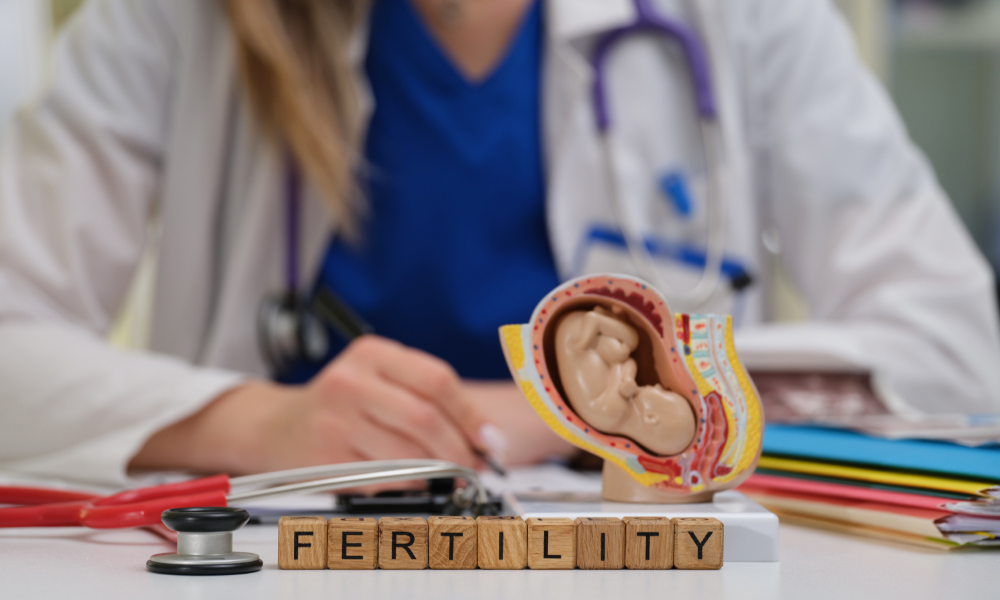
Infertility challenges can create emotional, physical, and psychological stress for couples hoping to start a family. Access to structured fertility services within a specialized ladies hospital ensures that couples receive comprehensive medical evaluation, advanced reproductive support, and continuous counseling throughout their journey. Fertility care programs focus on identifying underlying causes, improving reproductive health, and guiding couples through evidence-based treatment options that increase the chances of successful conception.
Comprehensive Fertility Assessment
A well-structured fertility program begins with a detailed medical evaluation designed to identify reproductive challenges and potential treatment pathways. Accurate diagnosis enables clinicians to create personalized treatment strategies that address both male and female fertility factors.
- Detailed Medical History Evaluation
Physicians begin by reviewing menstrual patterns, previous pregnancies, medical conditions, and lifestyle habits. This assessment helps identify risk factors such as hormonal imbalance or underlying metabolic disorders. A thorough review allows specialists to develop a targeted care strategy. - Hormonal and Diagnostic Testing
Blood tests and imaging studies help determine hormone levels, ovarian function, and reproductive organ health. These tests provide valuable insights into ovulation patterns and potential fertility barriers. Accurate diagnostic information ensures the treatment plan is tailored to individual needs. - Male Fertility Evaluation
Fertility care programs also include evaluation of male reproductive health. Semen analysis helps assess sperm count, motility, and morphology. Understanding male fertility factors ensures that both partners receive comprehensive evaluation and appropriate interventions.
Lifestyle and Health Optimization for Fertility
Lifestyle and health factors play a significant role in reproductive success. Fertility care programs integrate medical guidance with lifestyle modifications that support overall reproductive health.
- Balanced Nutrition and Weight Management
Nutritional guidance focuses on balanced diets rich in vitamins, minerals, and antioxidants that support reproductive function. Maintaining a healthy weight improves hormonal balance and ovulation regularity. Dietary adjustments also contribute to improved egg and sperm quality. - Physical Activity and Stress Management
Moderate exercise enhances circulation, metabolic health, and hormone stability. At the same time, managing stress through relaxation techniques helps regulate endocrine function. Emotional well-being contributes positively to fertility outcomes. - Avoidance of Harmful Lifestyle Factors
Fertility programs encourage reducing alcohol consumption, avoiding tobacco use, and limiting exposure to environmental toxins. These measures help protect reproductive health and improve the chances of successful conception over time.
Medical Interventions in Fertility Care
When natural conception is difficult, medical interventions provide additional support. Fertility specialists rely on advanced clinical techniques and diagnostic tools to address complex reproductive conditions.
- Ovulation Induction Therapy
Certain medications stimulate ovulation in women experiencing irregular cycles or hormonal imbalance. Controlled ovulation improves the likelihood of fertilization by ensuring that egg release occurs at the optimal time during the cycle. - Intrauterine Insemination Procedures
Intrauterine insemination involves placing specially prepared sperm directly into the uterus during ovulation. This approach increases the probability of fertilization and is often recommended for couples facing mild fertility challenges. - Comprehensive Clinical Support Systems
Fertility programs offered within facilities recognized as a top multispeciality hospital India provide access to multidisciplinary expertise. Collaboration among gynecologists, endocrinologists, and laboratory specialists enhances treatment accuracy and patient safety.
Advanced Assisted Reproductive Technologies
For couples experiencing more complex fertility conditions, assisted reproductive technologies offer advanced solutions. These techniques combine clinical precision with laboratory expertise to improve conception success.
- In Vitro Fertilization Procedures
IVF involves fertilizing eggs with sperm in a controlled laboratory environment. The resulting embryo is then transferred into the uterus under medical supervision. This method provides hope for couples with severe fertility challenges. - Intracytoplasmic Sperm Injection Techniques
In cases of male infertility, intracytoplasmic sperm injection allows specialists to inject a single healthy sperm directly into an egg. This technique significantly improves fertilization success in specific cases. - Cryopreservation and Fertility Preservation
Freezing eggs, sperm, or embryos allows couples to preserve reproductive potential for future use. Fertility preservation is particularly helpful for individuals undergoing medical treatments that may affect reproductive health.
Emotional Support and Counseling
The fertility journey can involve emotional uncertainty and psychological pressure. Comprehensive fertility care programs recognize the importance of emotional well-being alongside medical treatment.
- Psychological Counseling Support
Professional counseling helps couples manage stress and emotional challenges associated with fertility treatments. Mental health guidance promotes resilience and supports positive coping strategies throughout the process. - Partner Communication and Relationship Support
Fertility specialists often encourage open communication between partners. Structured counseling sessions help couples maintain emotional balance and strengthen their relationship during treatment. - Support Groups and Community Guidance
Connecting with individuals facing similar experiences can reduce feelings of isolation. Support groups provide reassurance and shared understanding, creating a positive environment for emotional healing.
Preventive Care and Long-Term Reproductive Health
Fertility care programs extend beyond conception and focus on long-term reproductive health. Preventive care ensures that couples remain healthy before and after pregnancy.
- Regular Health Monitoring
Follow-up consultations allow clinicians to monitor reproductive health and ensure that treatments remain effective. Ongoing monitoring also helps detect potential complications early. - Education on Reproductive Wellness
Fertility specialists provide guidance on maintaining hormonal balance and reproductive health. Educational resources empower couples to make informed lifestyle decisions that support long-term well-being. - Preparation for a Healthy Pregnancy
Preconception planning ensures that women enter pregnancy in optimal health. This preparation includes nutritional guidance, vaccination reviews, and monitoring of chronic health conditions.
Conclusion
Fertility care programs offer couples a structured and supportive pathway toward achieving their dream of parenthood. From early diagnostic evaluations to advanced reproductive technologies and emotional support systems, these programs address every stage of the fertility journey with precision and care. Access to a dedicated private maternity hospital environment further enhances patient comfort and ensures specialized maternal and reproductive healthcare services.
Within this evolving landscape of fertility care, institutions such as Ankura Hospitals have earned recognition for their integrated approach to reproductive health. By combining advanced diagnostic facilities, experienced specialists, and compassionate patient care, Ankura Hospitals continues to guide couples with confidence and clinical excellence on their path to parenthood.