





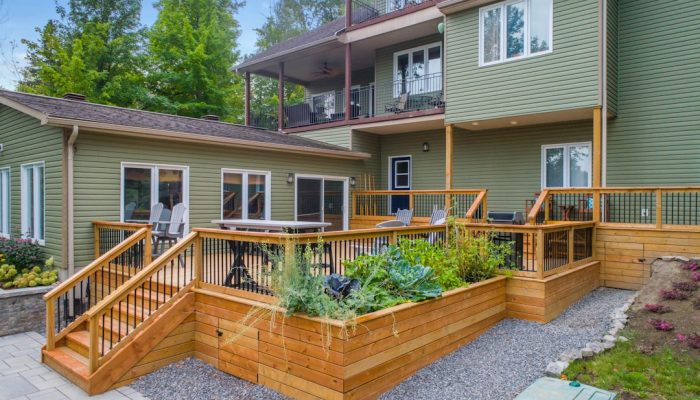

A productive deck offers a bright enlargement of your living space, ideal for relaxing, entertaining, and appreciating nature. However, safety bear never be compromised when it meets expectations. In the course of time, exposure to the weather, wear due to uncovering, foot traffic, and neglect can contribute to deterioration, and a beautiful decoration can pose a risk to you and others.
Read the article below and follow the mentioned tips and tricks to learn about the deck safety essentials.
Check the Deck Regularly
Regular inspection is very important for identifying any kind of damage to the deck. You will get enough time to fix the problem before it develops into a serious problem.
What to check:
- Loose boards or nails that keep producing trips or cuts
- Sagging or lively sections that may indicate declining support beams
- Wobbly railings or loose balusters that compromise fall security
Make it a habit to examine your deck not completely twice a year—ideally in spring and fall.
Secure Railings and Stairs
Falls are individual of the most common deck-related accidents. Ensuring your posts and stairs are secure is essential for all’s safety. For any kind of problem, you can visit decksforlife.ca. They will provide expert help and proper guidance.
Safety record:
- Railings should not be completely 36 inches high
- Spindles or balusters should be spaced less than 4 inches apart
- Railings must be firmly held to posts
- Stair treads should be situated, sturdy, and slip-opposing
- Install gripable handrails for added support on stairs
Clean the Surface
Cleaning tips:
- Sweep away leaves, soil, and debris regularly to avoid slippery accumulation
- Remove mold and mildew accompanying a gentle cloth cleaner and water
- After cleansing, allow the deck to dry entirely to prevent slipping.
Inspect the Structure
A deck’s substructure—joists, beams, posts, and ledger board—must be hard and secure. Structural issues can lead to collapse except addressed.
Warning signs:
- Cracked or split support beams
- Loose links between the deck and the house (ledger board)
- Erosion or soil evolution around footings or post bases.
Perfect Light is Important
Lighting tips:
- Install LED or solar lights ahead of steps, railings, and pathways
- Use motion-sensor lights in familiar entryways or staircases
Avoid Overloading Your Deck
Decks are designed to support the amount of weight. Exceeding this limit can strain the makeup and increase the risk of collapse.
Be cautious with:
- Heavy bookcase or planters
- Large gatherings of society
- Hot tubs, which demand specific structural support
Maintain Building Codes
Building codes exist to guarantee safety, and your adornment should obey current local regulations. If your deck was built years ago, the codes may have changed.
What to deem:
- Baluster spacing, post height, and load necessities
- Permits for major repairs or rebuilds
- Use of approved fasteners and elements
Conclusion
Following these safety basics helps protect your desired ones and keeps your outdoor scope functional and pleasing for years the way. Take time to inspect, assert, and upgrade your deck regularly—because safety is the support of any excellent outdoor knowledge.