



In the 2026 real estate market, the definition of a “luxury” home has shifted. While high-end finishes and prime locations remain important, the most critical metric for long-term value is now energy performance. As utility costs rise and environmental standards tighten, modern spec home construction has evolved to treat sustainability not as an optional upgrade, but as a core structural requirement.
For investors and developers, building “green” is the ultimate strategy for capital preservation. Modern buyers are increasingly wary of “energy-leaking” homes that carry high monthly overhead. By utilizing specialized financing from institutions like builderfinance.com—which understands the increased appraisal value of high-efficiency builds—developers can fund the advanced systems that modern homeowners now consider non-negotiable.
The Bedrock of Efficiency: The Building Envelope
The most effective energy-saving features in a 2026 spec home are the ones the homeowner never sees. A “high-performance envelope” acts like a high-end thermos, keeping conditioned air inside and the elements out.
- Advanced Insulation Materials: Traditional fiberglass batts have been largely replaced in high-quality spec builds by mineral wool, cellulose, or Structural Insulated Panels (SIPs). In some premium 2026 projects, builders are even utilizing vacuum insulation panels (VIPs) which offer ultra-high R-values in thin profiles.
- Airtight Vapor Barriers: Modern spec home construction now prioritizes meticulous air sealing. This includes using specialized tapes and liquid-applied membranes to eliminate the “micro-drafts” that typically account for up to 30% of a home’s heating and cooling loss.
- Low-E and Smart Glazing: Windows are no longer just glass. Modern spec homes feature triple-pane, Low-E (low-emissivity) windows with argon gas fills. Some forward-thinking builds even incorporate “dynamic glass” that tints automatically based on the sun’s intensity to reduce solar heat gain.
Intelligence Behind the Walls: Mechanical Systems
Once the envelope is sealed, the focus shifts to the “lungs” of the home. In 2026, mechanical systems are smaller, quieter, and significantly smarter than their predecessors.
| Feature | Technology Standard | Impact on Homeowner |
| HVAC | Variable-speed heat pumps | Provides precise temperature control with 400% efficiency compared to electric heat. |
| Water Heating | Hybrid heat pump water heaters | Uses heat from the surrounding air to warm water, cutting energy use by 70%. |
| Ventilation | ERV/HRV Systems | Energy Recovery Ventilators swap stale indoor air for fresh outdoor air without losing heat/coolth. |
| Lighting | Circadian LED Systems | Integrated lighting that adjusts color temperature to match natural sunlight, saving energy and improving wellness. |
The Rise of On-Site Renewables and Storage
A defining characteristic of 2026 spec homes is the transition from “energy consumer” to “energy producer.”
The “Solar-Ready” Mandate: Even if a developer chooses not to install a full solar array, modern spec homes are almost universally built “solar-ready.” This means the roof is structurally reinforced, and conduits are pre-run to the electrical panel, saving the future homeowner thousands in retrofit costs.
For developers seeking maximum marketability, installing integrated battery storage systems has become a major selling point. These systems allow the home to store energy during off-peak hours (or from solar panels) and deploy it when rates are high or during grid outages. This “resiliency” is a powerful psychological driver for modern buyers.
Measuring Success: The HERS Index
In the world of spec home construction, you can’t manage what you don’t measure. This is why professional builders rely on the HERS (Home Energy Rating System) Index.
The HERS Index is the industry standard for measuring a home’s energy performance. A typical resale home might score a 130, while a standard new build usually lands around 100. However, elite spec homes in 2026 are consistently hitting scores of 50 or lower, meaning they are at least 50% more efficient than a standard new home.
Lenders like builderfinance.com recognize that a lower HERS score directly correlates to a lower risk of mortgage default and a higher resale value. A home that saves the owner $3,000 a year in utilities is effectively “cheaper” to own than a leaky home with a slightly lower sticker price.
Future-Proofing Through Smart Integration
Finally, energy efficiency in 2026 is inseparable from Smart Home Integration. Modern spec homes feature centralized AI hubs that manage the home’s “energy budget.”
1.Passive Solar Optimization:Morning.
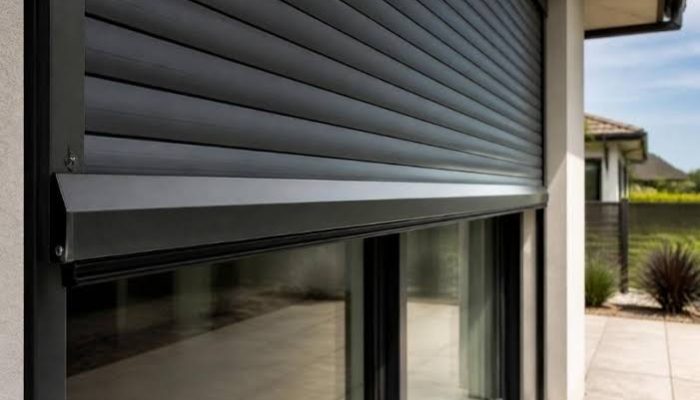
Smart blinds open automatically on the southern side of the house to harvest natural heat, reducing the load on the HVAC system.
2.Dynamic Load Shifting:Mid-Day.
The home’s hub detects peak grid pricing and automatically shifts high-energy tasks—like running the dishwasher or charging the EV—to hours when electricity is cheapest or solar production is highest.
3.Smart Climate Zoning:Evening.
The HVAC system uses occupancy sensors to stop conditioning “dead zones” like guest rooms or home offices, focusing airflow only where residents are currently located.
The Bottom Line for Investors
Building energy-efficient spec homes is no longer an “eco-friendly” niche; it is a fundamental business strategy. High-performance homes sell faster, appraise higher, and suffer fewer inspection-related price drops. By leveraging modern construction techniques and specialized financing, developers can deliver the future-proof inventory that the 2026 market demands