




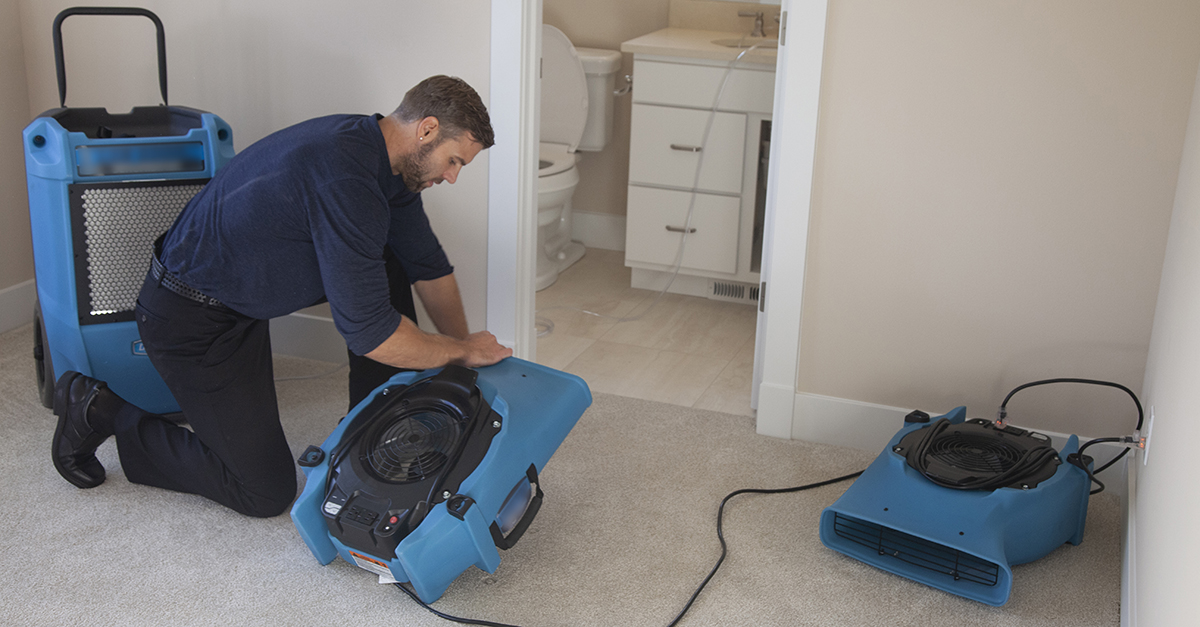
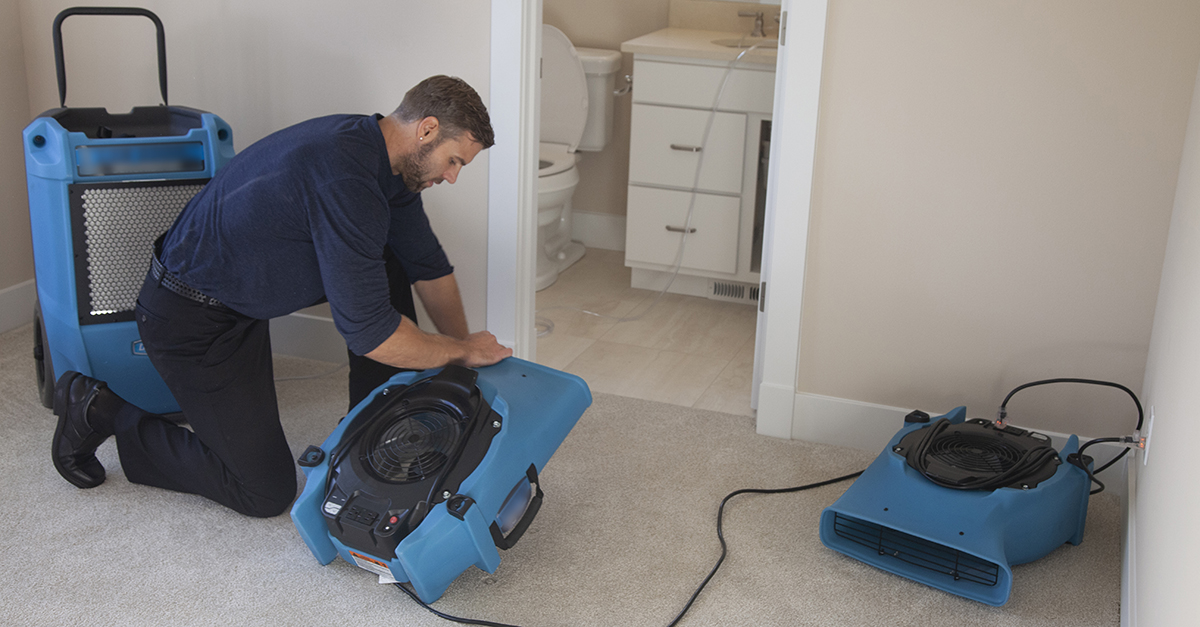
Water damage rarely stays where you first see it. A small ceiling stain can mean soaked insulation. A damp corner of carpet can hide moisture that has traveled under flooring. The sooner you confirm where the water is and how far it spread, the easier it is to prevent odors, warped materials, and costly repairs. That is why smart homeowners and property managers focus on inspection and measurement before they start moving fans around. If you are dealing with a leak, overflow, or basement seepage, consider starting with the right rental tools instead of guessing. A reliable source for essential drying and restoration tools is water damage equipment rental in Toronto – Home. With the right setup, you can target wet areas, shorten drying time, and reduce the chance of secondary damage.
Why Water Damage Is Often Bigger Than It Looks
Water follows gravity and the path of least resistance, which means it can move behind baseboards, under vinyl plank, through drywall, and into adjoining rooms. Even if surfaces feel dry, moisture can remain trapped in cavities where airflow is limited. That trapped moisture can lead to swelling wood, loosening adhesives, and persistent musty smells. A practical first step is to map the problem. Check adjacent walls, the opposite side of the suspected leak, and any lower level directly beneath it. If safe to do so, remove small sections of wet materials that block airflow, like swollen baseboards or saturated padding. The goal is not demolition for its own sake, but access and ventilation where moisture is being held.
Use Thermal Imaging to Find Moisture and Verify Drying Progress
An infrared camera can help you locate temperature differences that often correlate with damp areas, especially when evaporation cools wet materials. It is a fast way to scan large sections of wall or flooring and identify suspicious zones that deserve closer inspection. If you want to add this capability to your toolkit, consider Drying Equipment Rental in Toronto – Infrared Camera – DryingEquipment.ca. Thermal imaging works best when paired with confirmation steps. Use the camera to find likely wet areas, then verify with moisture readings and visual inspection. As drying continues, rescan daily to confirm the wet footprint is shrinking and that previously affected spots are returning to normal. This helps you avoid stopping too early, or wasting time drying areas that were never wet in the first place.