





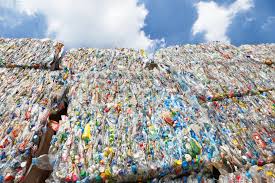
Low-Density Polyethylene, or LDPE, is one of the most widely used plastics in everyday life. It is commonly found in packaging materials, plastic bags, films, containers, and agricultural applications. While LDPE Recycling offers excellent flexibility, durability, and cost-effectiveness, its widespread use has also contributed to significant environmental challenges. Recycling LDPE has emerged as a critical strategy to conserve resources, reduce environmental impact, and promote a circular economy where materials are kept in use for as long as possible.
Mechanical Recycling of LDPE
Mechanical recycling is the most common method for processing LDPE waste. The process begins with the collection of LDPE products from households, industries, and commercial sources. Once collected, the material is cleaned to remove contaminants such as food residue, adhesives, or mixed plastics. After cleaning, LDPE is shredded or granulated into small pieces, melted, and reformed into pellets that can be used to manufacture new products.
Mechanical recycling is cost-effective and suitable for large volumes of LDPE waste. It allows manufacturers to replace a portion of virgin LDPE with recycled material, thereby conserving natural resources and reducing energy consumption associated with the production of new plastic. However, maintaining the quality of recycled LDPE is a challenge, as the polymer can degrade during processing, and contamination can affect its performance. Proper sorting, cleaning, and handling are therefore essential to ensure high-quality recycled outputs.
Chemical Recycling for LDPE
Chemical recycling, also known as advanced or feedstock recycling, offers an alternative approach for LDPE that is difficult to recycle mechanically. In this process, LDPE is broken down into smaller molecules through methods such as pyrolysis or depolymerization. The resulting products can be used as raw materials to produce new polymers or other chemicals.
Chemical recycling is particularly valuable for contaminated or mixed LDPE waste streams that cannot be efficiently processed mechanically. It supports a circular economy by transforming waste into reusable feedstock, extending the life cycle of materials, and reducing dependence on virgin fossil resources. Technological advances are continually improving the efficiency and environmental footprint of chemical recycling, making it an increasingly viable solution for LDPE waste management.
Collection and Sorting Systems
Successful LDPE recycling requires robust collection and sorting infrastructure. Automated technologies, such as near-infrared (NIR) sorting, help separate LDPE from other plastics and contaminants, improving the quality of recycled material. Efficient municipal and industrial collection programs ensure a consistent supply of LDPE for recycling operations.
Public awareness and participation are equally important. Educating consumers and businesses about proper disposal and recycling of LDPE products helps reduce contamination and increases the efficiency of recycling systems. Community engagement ensures that a larger portion of LDPE waste enters the recycling stream instead of ending up in landfills or the environment.
Supporting Circular Economy Principles
LDPE recycling aligns closely with the principles of a circular economy. By recovering and reusing LDPE materials, industries can reduce the need for virgin plastics, conserve finite natural resources, and lower greenhouse gas emissions associated with plastic production. Recycled LDPE can be transformed into new packaging, construction materials, agricultural films, or consumer products, creating a closed-loop system where material value is retained for multiple product lifecycles.
Challenges and Future Directions
Despite progress, challenges remain in LDPE recycling. Contamination, polymer degradation, and mixed plastic streams limit the quality and range of applications for recycled LDPE. Continued innovation in recycling technology, improved sorting methods, and the development of compatibilizers that allow different plastics to be processed together can enhance recycling efficiency. Product design that prioritizes recyclability also plays a key role in supporting a circular economy.
Conclusion
LDPE recycling is vital for conserving resources and promoting a circular economy. Mechanical and chemical recycling, combined with efficient collection and sorting systems, ensure that LDPE waste is transformed into valuable materials rather than discarded. By advancing recycling practices and embracing sustainable design and consumption patterns, industries and communities can reduce environmental impact, conserve resources, and foster a more sustainable future while continuing to benefit from the versatility and utility of LDPE.